
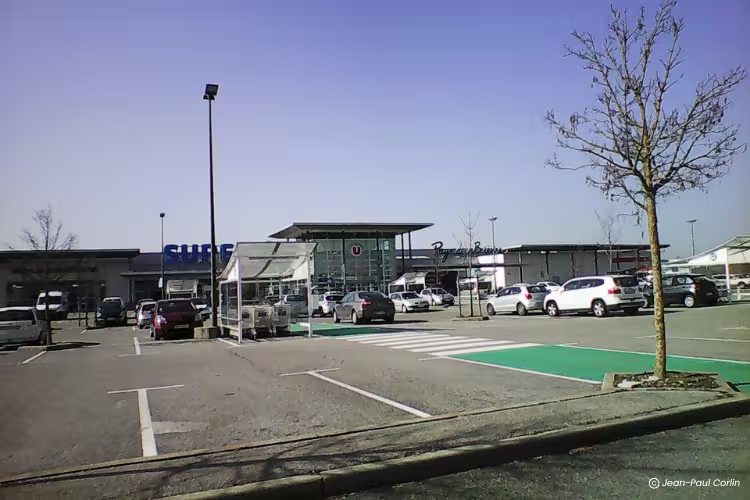
Super U
Saint-Étienne-de-Saint-Geoirs
Adresse

Tarifs
Équipements et services
Description
Tourisme
Saint-Étienne-de-Saint-Geoirs (Isère, France)
Saint-Étienne-de-Saint-Geoirs is a rural commune in the northwest of the Isère department, located between Grenoble and Valence. A small town focused on agriculture, it also serves as a gateway to the neighboring mountain ranges. There is a discreet local life, with nearby shops and an active network of associations. The landscape combines agricultural plains and open views of the Vercors massif.
Heritage and history
The village retains a traditional Dauphinois urban layout, with stone buildings and quiet streets. There is a parish church dedicated to Saint Étienne, rooted in local life. A few farms and old houses testify to the region's agricultural history. Archives and a few local plaques recall the rural evolution of the 19th and 20th centuries.
Nature and landscapes
The surroundings offer plains and low hills, suitable for easy walks. Fields, orchards and hedgerows shape the perspectives, and the changing light offers beautiful panoramas at sunset. The area is a convenient starting point for hiking routes and exploration of the Vercors.
Outdoor activities and mobility
Cyclists and hikers appreciate the quiet country roads around the village. The commune is well served by road, which facilitates excursions to nearby massifs and towns. The site is also suitable for family strolls and seasonal nature observation.
Gastronomy and local products
Local cuisine reflects Dauphiné flavors: cheeses, regional cured meats and homemade pastries are found with artisans and small shops. Nearby markets and producers offer fruits, vegetables and local products according to the seasons.
Not to be missed
- Aéroport Grenoble‑Isère — a major air hub located in the commune.
- Église Saint‑Étienne — the parish church at the heart of the village.
- Walks toward the Vercors — routes accessible from the commune.
- Landscapes of the Bièvre — plains and orchards that structure the territory.
- Markets and local producers — to taste products from the Dauphiné.