
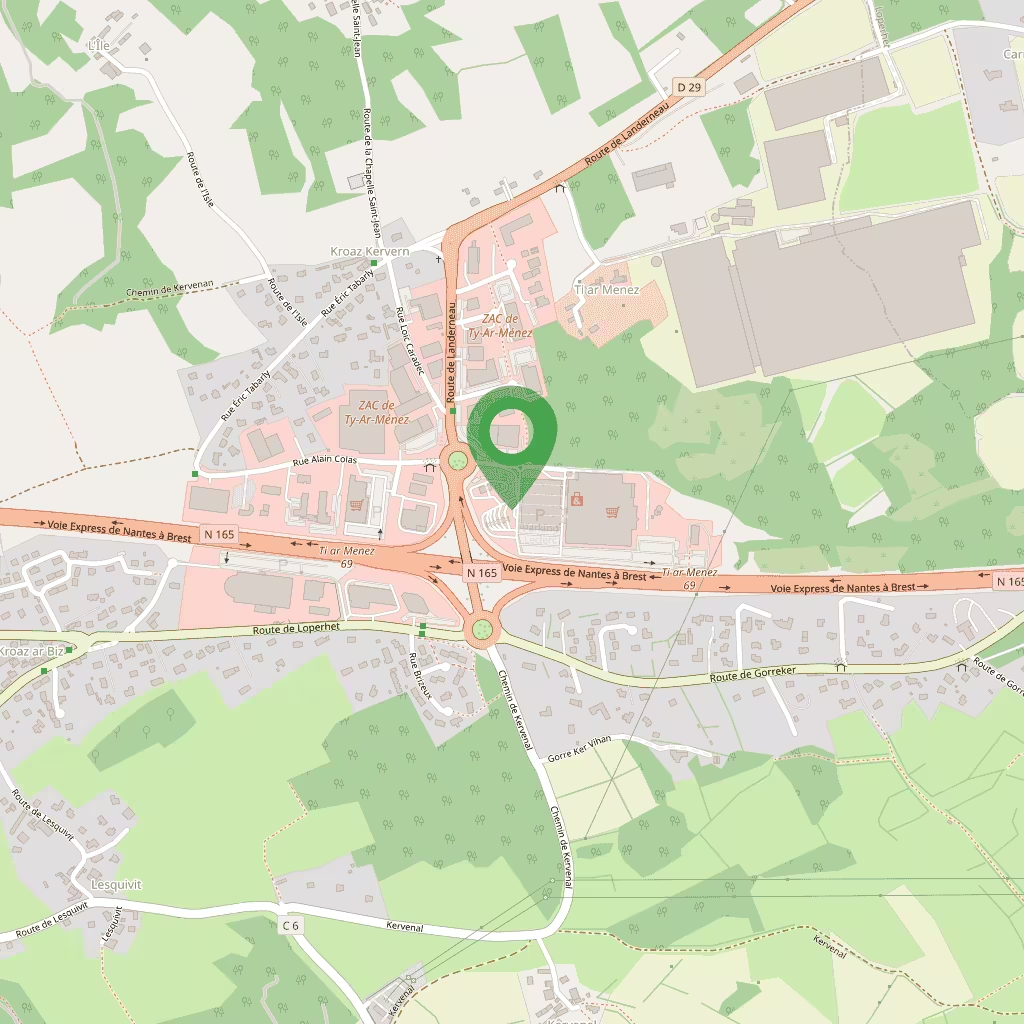
Centre Leclerc
Plougastel-Daoulas

Équipements et services
Description
Tourisme
Plougastel-Daoulas (Finistère, France)
Plougastel-Daoulas occupies a peninsula facing the Aulne estuary, west of Brest. The terrain alternates small cliffs, sheltered coves and vegetable-growing land. The landscape mixes Breton hedgerows and granite facades, offering changing maritime panoramas. A commune known for an agricultural specialty and for its coastal walking routes.
Heritage and history
The village preserves religious buildings and traditional granite houses typical of Finistère. Several chapels and old crosses punctuate the area, witnesses to a local religious rooting. More recent remains recall the strategic role of the roadstead of Brest and the banks of the Aulne over the centuries.
Nature and landscapes
The coast offers viewpoints over the estuary and the roadstead, with coves and pebble beaches. The GR34 path crosses the commune and allows long coastal walks. The flora includes market-garden crops and hedgerows, sheltering freshwater and marine birdlife observable from the shores.
Outdoor activities
Hiking, cycling and kayaking on the estuary are common activities. The coastal paths are also suitable for photographic observation of the coast and changing light. Several nearby jetties make excursions to Brest and the neighbouring islands easier.
Gastronomy
Plougastel is renowned for the fraise de Plougastel, an emblematic fruit grown locally on small plots. Seasonal products and preparations highlighting this fruit are found at markets. Local cuisine emphasizes seafood and artisanal preserves.
Not to miss
- Fraise de Plougastel: meet the producers and taste this local fruit.
- Pont de l'Iroise: view over the roadstead of Brest and connection to Brest.
- GR34 (coastal path): remarkable sections for walking and photography.
- Coves and tips of the peninsula: varied coastal landscapes and birdwatching.