
Aire de Chavagnes-en-Paillers
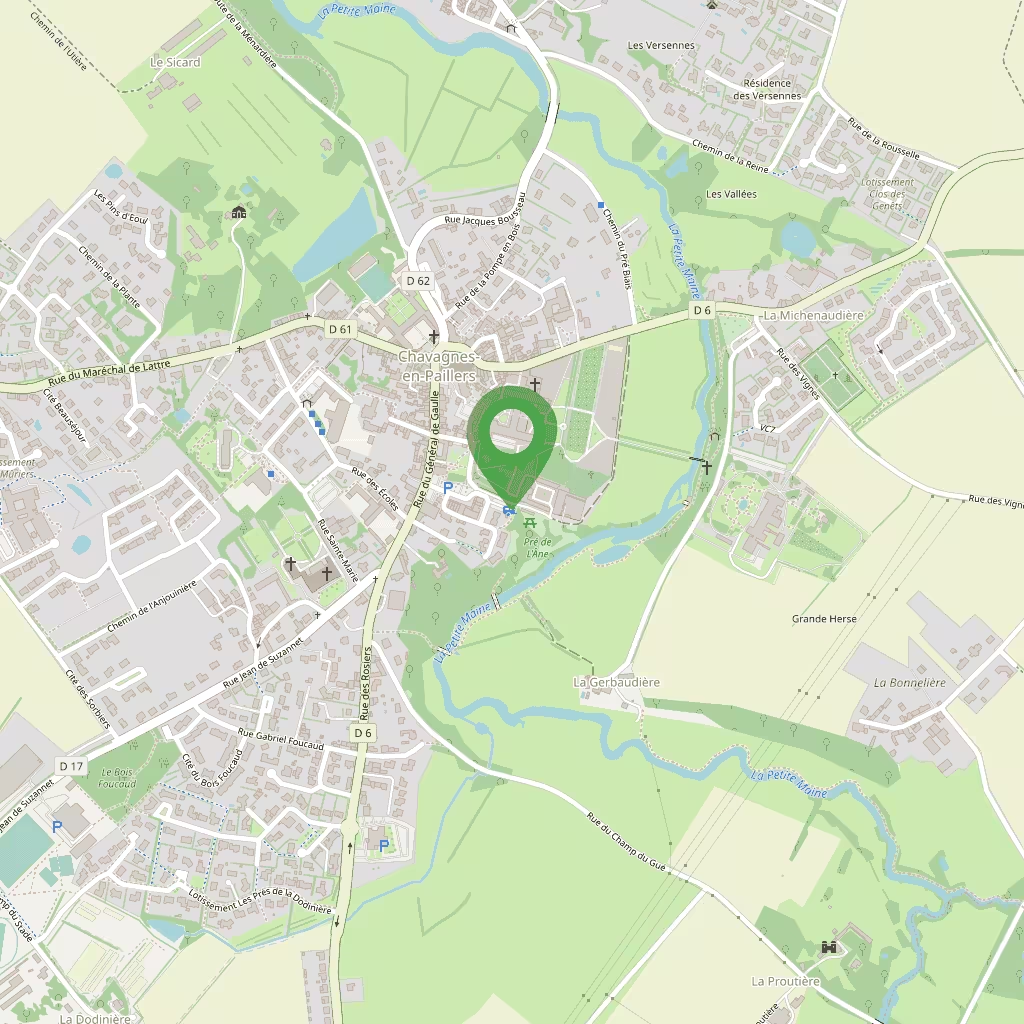
Adresse

Nombre d'emplacements
Équipements et services
Description
Tourisme
Chavagnes-en-Paillers (Vendée, France)
Chavagnes-en-Paillers is a rural commune in the Vendée bocage, marked by a landscape of fields, hedgerows and small winding roads. The village center retains a peaceful atmosphere, where agriculture and local life mark the seasons. There are traditional rural buildings and easy walks from the center. The village also serves as a convenient starting point to discover regional tourist sites.
Heritage and history
The heart of the village preserves traces of an old rural past: the village square, the parish church and a few stone houses illustrate vernacular architecture. Local history is part of the Vendée bocage story, with farms and sunken lanes that recall former agricultural practices. Panels or markers on site may evoke key local events.
Nature and landscapes
The area offers the typical bocage vendéen: plots separated by hedges, groves and meadows. The paths and small roads are pleasant for hiking, cycling or birdwatching. Walks allow you to enjoy the changing landscape through the seasons, between plowed fields and orchards.
Gastronomy and local products
Local cuisine highlights products of the Vendée terroir: cheeses, dairy products, and regional specialties such as brioche vendéenne and mogettes are readily available. Markets in neighboring communes are the best way to taste these products and meet producers.
Atmosphere and welcome
Chavagnes-en-Paillers exudes a calm and friendly atmosphere. Visitors appreciate the village’s simplicity, the welcome from shopkeepers and the local associative life. It is a place suited to a relaxing stay or a stopover to explore rural Vendée.
Not to miss
- The village church: visit the parish building and its setting.
- Bocage walks: paths and small roads for walking or cycling.
- Local products: tasting brioche vendéenne and cheeses at nearby producers.
- Puy du Fou: a major historical show to discover nearby.
- Local markets: stalls from neighboring communes for fresh produce and crafts.