
Aire de Bar-le-Duc

Équipements et services
Description
Tourisme
Bar-le-Duc (Meuse, France)
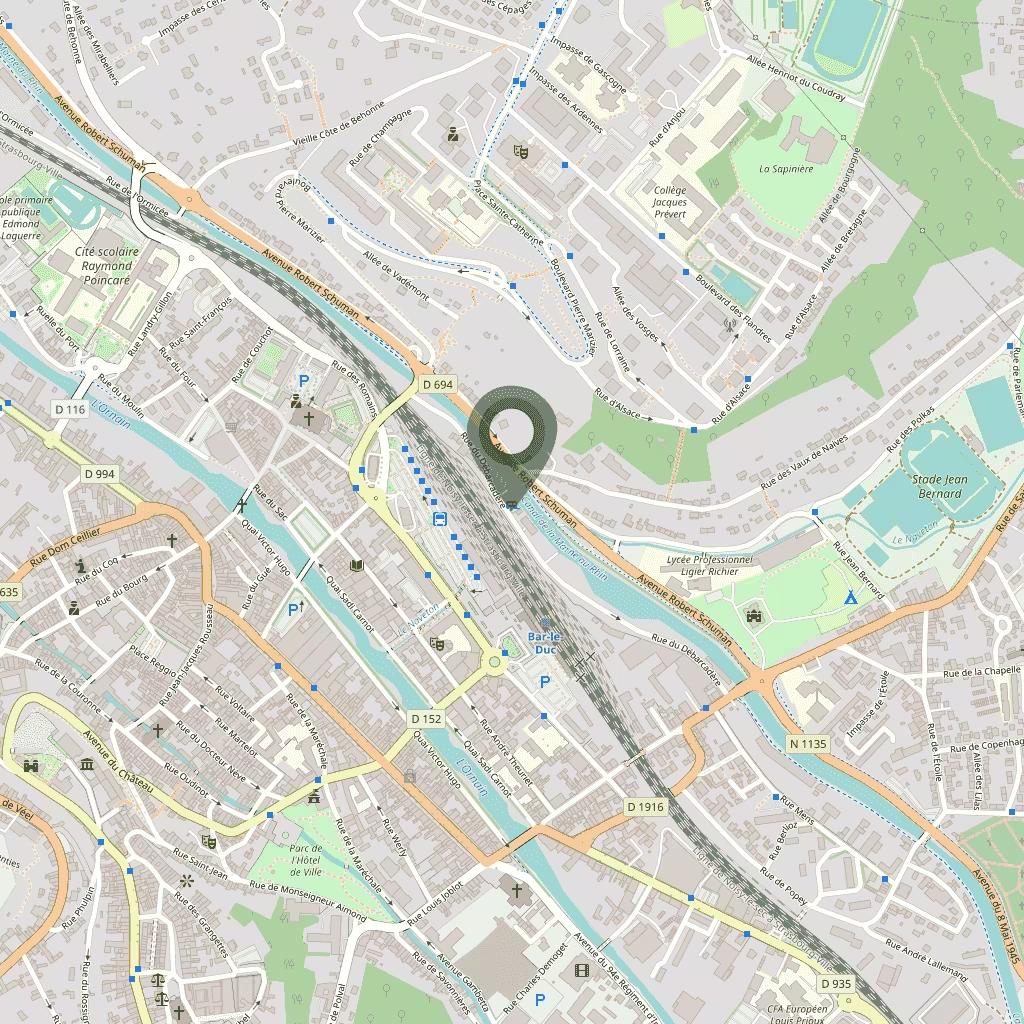
Bar-le-Duc is a small town of character nestled in the valley of the Meuse, in the heart of Lorraine. Its Renaissance upper town overlooks newer neighborhoods and retains a clearly legible medieval and modern urban fabric. The town is known for its historical heritage, local museums, and a rare culinary specialty that attracts gourmets. The banks of the Meuse offer peaceful walks and a gateway to exploring the Meuse department.
Heritage and history
The silhouette of Bar-le-Duc is organized around the Château des Ducs de Bar and the Collégiale Saint-Étienne, witnesses to a history that mixes seigneurial power and religious life. The upper town preserves houses with old façades and narrow lanes that reflect urban development from the Middle Ages to later centuries. The Musée Barrois displays collections of archaeology, arts, and local history, useful for understanding the city’s regional role.
Architecture and urban planning
The buildings of the upper town show Renaissance influences, with gateways and turrets typical of the region. The ridge alignment overlooks the Meuse and creates successive views of roofs and bell towers. The contrast between the upper town and the more modern quays gives a varied urban landscape, conducive to strolling.
Gastronomy and specialties
Bar-le-Duc is famous for the old-fashioned currant jam (the "barisienne"), prepared with whole berries and long renowned as an exceptional product. Local restaurants also highlight Lorraine products — charcuterie, cheeses and pastries — in friendly dining settings.
Not to miss
- Château des Ducs de Bar: remains and viewpoints over the town.
- Collégiale Saint-Étienne: religious architecture and organ.
- Musée Barrois: local art and history collections.
- Walks along the Meuse: developed banks and calm views.
- Currant jam (old-fashioned): artisanal specialty to taste.